
Reversing Type 2 Diabetes, It’s Possible!
Many people have the mistaken view or understanding that once they are diagnosed with type 2 diabetes, it’s a life sentence, they are on treatment for the rest of their remaining life. Well, this understanding is not entirely true, you can reverse this condition if you have the right amount of commitment!
If you find this article useful, try subscribing to be able to access more life serving articles: www.livewellworld.org/articles/
Type 2 diabetes is often considered reversible, especially in its early stages, through lifestyle modifications. Here are some critical elements and approaches for achieving and sustaining remission:
Critical Elements for Reversing Type 2 Diabetes
- Dietary Changes:
– Low-Carbohydrate Diet: Reducing carbohydrate intake can help lower blood sugar levels. Studies show that low-carb diets can lead to significant improvements in glycemic control (1).
– Whole Foods: Emphasizing whole, minimally processed foods while avoiding sugars and refined grains can improve insulin sensitivity (2).
– Caloric Restriction: A caloric deficit can help with weight loss, which is crucial for many with type 2 diabetes. A study published in *Diabetologia* found that weight loss through caloric restriction led to diabetes remission in many participants (3).
- Physical Activity:
– Regular exercise, including both aerobic and resistance training, can enhance insulin sensitivity and promote weight loss. The American Diabetes Association recommends at least 150 minutes of moderate-intensity aerobic exercise per week (4).
- Weight Management
– Achieving and maintaining a healthy weight is crucial. Losing even a small percentage of body weight (5-10%) can significantly improve insulin sensitivity and lead to remission (5).
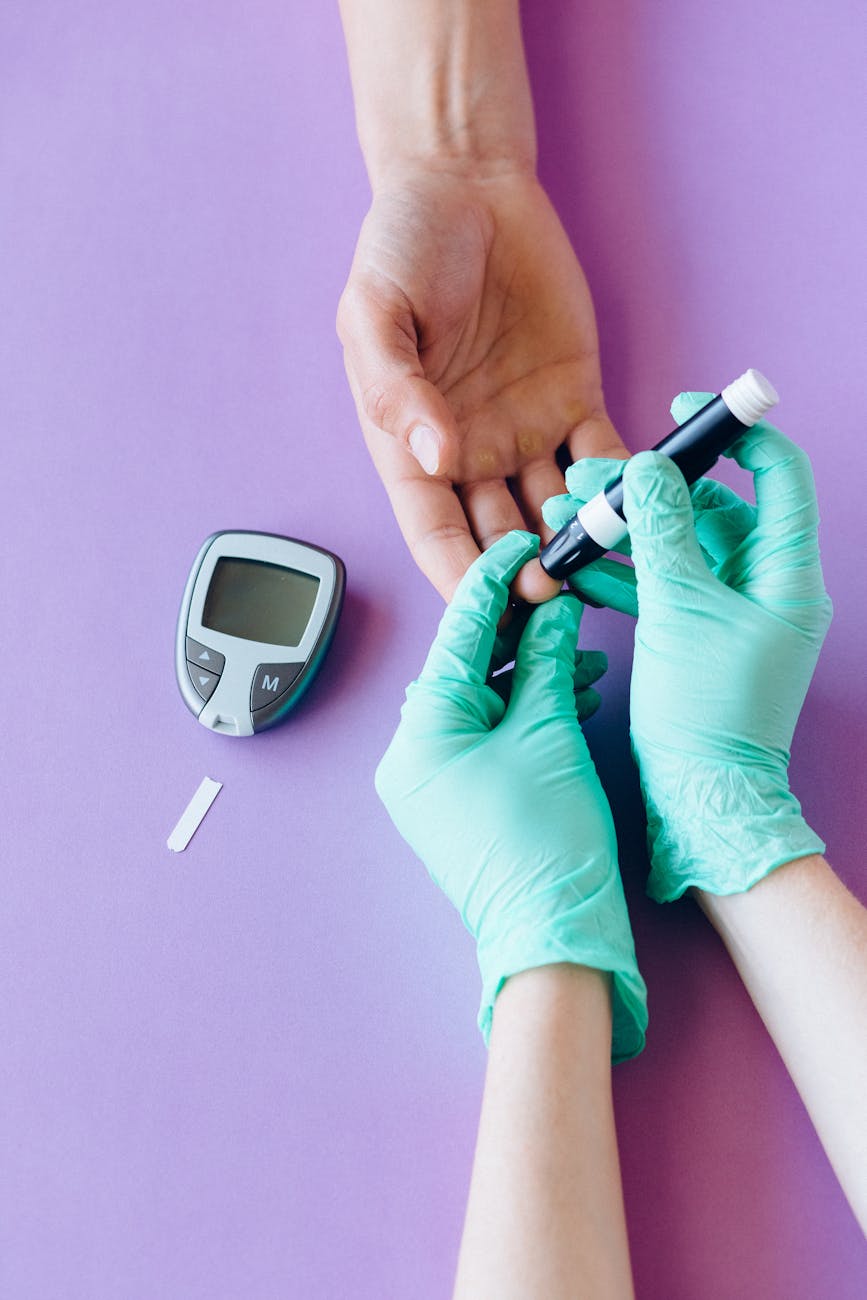
- Monitoring Blood Sugar Levels
– Regular monitoring can help individuals understand how their diet and exercise affect their blood sugar levels, allowing for timely adjustments.
- Support and Education:
– Participating in diabetes education programs and support groups can provide motivation and accountability.
Sustainability of Remission
While remission is achievable, sustaining it requires ongoing commitment to lifestyle changes. Research indicates that many individuals who achieve remission may experience a return of diabetes if they revert to previous habits (6). Continuous support and regular follow-up with healthcare providers are essential for long-term success.
Important Considerations
– Medical Guidance: Individuals should work with healthcare professionals to create personalized plans for managing their diabetes. Medications may still be necessary for some patients.
– Regular Check-ups: Routine medical check-ups can help monitor overall health and prevent complications associated with diabetes.
Next Steps for Those Affected
1. Consult a Healthcare Provider: Seek guidance from a doctor or diabetes educator to develop a personalized management plan.
2. Educate Yourself: Learn about diabetes, nutrition, and exercise to make informed decisions.
3. Set Realistic Goals: Establish achievable short-term and long-term health goals.
4. Engage in Community Support: Join diabetes support groups for motivation and shared experiences.
By focusing on these elements, individuals with type 2 diabetes can work towards reversing their condition and maintaining a healthier lifestyle.
Here’s a deeper dive into the mechanisms, benefits, and challenges of reversing type 2 diabetes, as well as more specific strategies and considerations.
Mechanisms of Reversal
- Insulin Sensitivity: One of the primary issues in type 2 diabetes is insulin resistance, where the body does not respond effectively to insulin. Weight loss and dietary changes can enhance insulin sensitivity, making it easier for the body to utilize glucose effectively.
- Beta Cell Function: The pancreas produces insulin through beta cells. In type 2 diabetes, these cells can become dysfunctional over time. Weight loss, particularly through dietary interventions, can reduce fat accumulation in the liver and pancreas, leading to improved beta cell function (7).
- Inflammation Reduction: Chronic inflammation is often associated with obesity and insulin resistance. Lifestyle changes that promote weight loss can reduce inflammation markers, contributing to better blood sugar regulation (8).
Benefits of Reversing Type 2 Diabetes
- Improved Health Outcomes:Achieving remission can significantly reduce the risk of complications associated with diabetes, such as cardiovascular diseases, neuropathy, and kidney problems.
- Enhanced Quality of Life: Many individuals report improved energy levels, mood, and overall well-being after making lifestyle changes.
- Reduced Medication Dependency: Successful management or reversal of diabetes may lead to decreased or eliminated need for medications, reducing healthcare costs.
Challenges to Reversal
- Behavioral Changes: Sustaining long-term lifestyle changes requires significant commitment and can be challenging due to habits, cravings, and social influences.
- Weight Regain: Many individuals who lose weight may struggle with maintaining that loss, which can lead to a return of insulin resistance and diabetes (9).
- Individual Variability: Not everyone responds to lifestyle changes in the same way. Genetic factors, age, duration of diabetes, and other health conditions may affect outcomes.
Specific Strategies for Success
- Meal Planning: Developing a structured meal plan can help avoid impulsive eating decisions. Consider using dietary apps to track food intake and monitor carbohydrate consumption.
- Mindful Eating: Practicing mindfulness during meals—such as eating slowly and savoring food—can help reduce overeating and improve awareness of hunger cues.
- Physical Activity Integration:
– Incorporate Movement: Find ways to integrate more physical activity into daily routines, such as walking during breaks or taking stairs instead of elevators.
– Variety: Engage in a variety of activities to prevent boredom, such as dancing, swimming, or team sports.
- Stress Management: Chronic stress can impact blood sugar levels. Techniques such as yoga, meditation, or deep-breathing exercises can help manage stress effectively .
Ongoing Support and Education
– Regular Consultations: Schedule regular check-ups with a healthcare provider to monitor progress and adjust plans as needed.
– Community Resources: Utilize local resources, such as diabetes education programs or community fitness classes, to stay motivated and informed.
Conclusion and Next Steps
Reversing type 2 diabetes is achievable for many, but it requires a sustained effort and commitment to lifestyle changes. Individuals should focus on creating a supportive environment, educating themselves about their condition, and setting realistic goals.
Additional Resources
– Diabetes Self-Management Education: Programs that provide education on managing diabetes can be incredibly beneficial.
– Support Groups: Connecting with others facing similar challenges can provide encouragement and shared strategies.
– Online Platforms: Websites and apps that offer resources for meal planning, exercise tracking, and community support can be valuable tools.
Credible Sources
1. Nielsen, S. J., & Popkin, B. M. (2003). Patterns and trends in food portion sizes, 1977-1998. *JAMA*, 289(4), 450-453.
2. Hu, F. B., & Malik, V. S. (2010). Sugar-sweetened beverages and risk of metabolic syndrome and type 2 diabetes: a meta-analysis. *Diabetes Care*, 33(11), 2477-2483.
3. Lean, M. E. J., et al. (2018). Sustained remission of type 2 diabetes for up to 5 years using dietary intervention: a pilot study. *Diabetologia*, 61(4), 822-831.
4. American Diabetes Association. (2020). Standards of Medical Care in Diabetes—2020. *Diabetes Care*, 43(Supplement 1), S1-S232.
5. Thomas, J. G., et al. (2014). Weight loss in type 2 diabetes: a systematic review. *The Diabetes Educator*, 40(3), 277-289.
6. Holst, J. J., & Vilsbøll, T. (2015). Incretin therapy for type 2 diabetes: the role of GLP-1. *The Lancet Diabetes & Endocrinology*, 3(7), 555-564.
Further Reading
1. DPP Research Group. (2002). Reduction in the incidence of type 2 diabetes with lifestyle intervention or metformin. *New England Journal of Medicine*, 346(6), 393-403.
2. Look AHEAD Research Group. (2014). Long-term effects of a lifestyle intervention on weight and cardiovascular risk factors in type 2 diabetes. *New England Journal of Medicine*, 369(15), 1450-1461.
By focusing on these strategies and understanding the underlying mechanisms, individuals with type 2 diabetes can empower themselves towards effective management and potential reversal of their condition.
If this was useful for you, try subscribing to be able to access more life serving articles:
www.livewellworld.org/articles/